
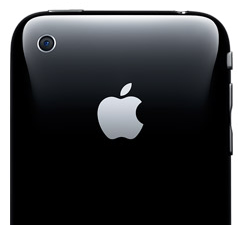
For two years, owners of Apple’s iPhone have complained bitterly about the lack of video recording capability, something that has become more and more common on mobile devices, if not yet matured. Three weeks ago, they finally got their wish, and the results have been quite dramatic.
The weekend after Apple’s latest reveal – the iPhone 3GS – was released to the public, YouTube reported a massive 400% surge in the number of mobile video uploads, attesting to the mass appeal of Apple’s product and opening the floodgates for new video content.
Admittedly, seeing the sudden unleashing of newly-minted cellphone videographers made me cringe a bit, at first. For a while now, I’ve been kind of annoyed with the popularity of cell phone video. Let’s face it, although lots of people want something small and compact to make quick videos with, the image and sound quality coming from these devices has been utterly deplorable. Blocky video, muddy sound… in general, not something you really want to store cherished memories with. But what really stuck in my craw was when news sources started relying on cellphone videography as poor substitutes for actual newsgathering. I began to ask myself: When did yanking video off a YouTube account start to pass as acceptable broadcast-quality content?
Within the past couple of months, however, things have changed quite a bit. It actually started when camera makers like Canon began including video capabilities into their Digital SLR cameras, such as the Canon T1i. Although it looks nothing like a camcorder, this model actually records some incredibly good HD-quality video, and can store it on a postage-stamp sized SD card. It’s still rather bulky and expensive though; not the kind of thing an average person on the street would carry with them at all times.
Apple, however, changed that. They finally decided to include video capabilities on their latest device. And, they did the job so well that some aspiring independent film makers are now shooting films solely with the iPhone. While the critical acclaim of the subject matter is best left open to judgement, one can’t deny the video quality is astoundingly good, compared to what everyone is used to from a cellphone.
Additionally, a professionally produced music video has been recorded and edited using the same gadget. But you wouldn’t know this came from an iPhone unless someone told you in advance:
Of course, the raw video underwent a lot of post-processing before yielding the finished product we see above. But the unprocessed, full-color raw footage direct from the iPhone camera shows that it’s certainly no slouch on its own:
The ramifications are clearly huge. There’s been lots of talk about how accessible good video recording technology has become, but now the technology to have a high quality video recorder literally in your pocket is available to the masses.
The technical specs of the videos created aren’t lightweight by any means, either. Some users have reported that an hour of video from an iPhone 3GS can take up as much as 8GB of storage. Still not on par with the roughly 20GB per hour that broadcast-level DV video consumes, but not anything to sneeze at, either. The wide availability of this level of video production is going to require lots of supporting memory and storage to back it up. And the metadata and details surrounding each and every video produced could be enough to turn the average cell phone user into amateur video catalogers, as well.
For professional curators, this could be both good and bad news. From my perspective, it’s good that there’s a better chance history-making content will actually be recorded on a camera worthy of capturing it, as opposed to poor specimens of history like this. On the other hand, this means that good quality video will be coming from multitudes of sources, more than we’ve ever been accustomed to, as more and more individuals have the technology within their grasp.

